Work
Complex
Objective
Once NTWRK’s acquisition of Complex was finalized, the objective was clear but a massive undertaking: to take an existing brand known for its unique, dynamic storytelling across media and in-person experiences and seamlessly integrate e-commerce into Complex’s ecosystem. Building the foundation for Complex to be the future of shopping at the intersection of culture and technology.
Process
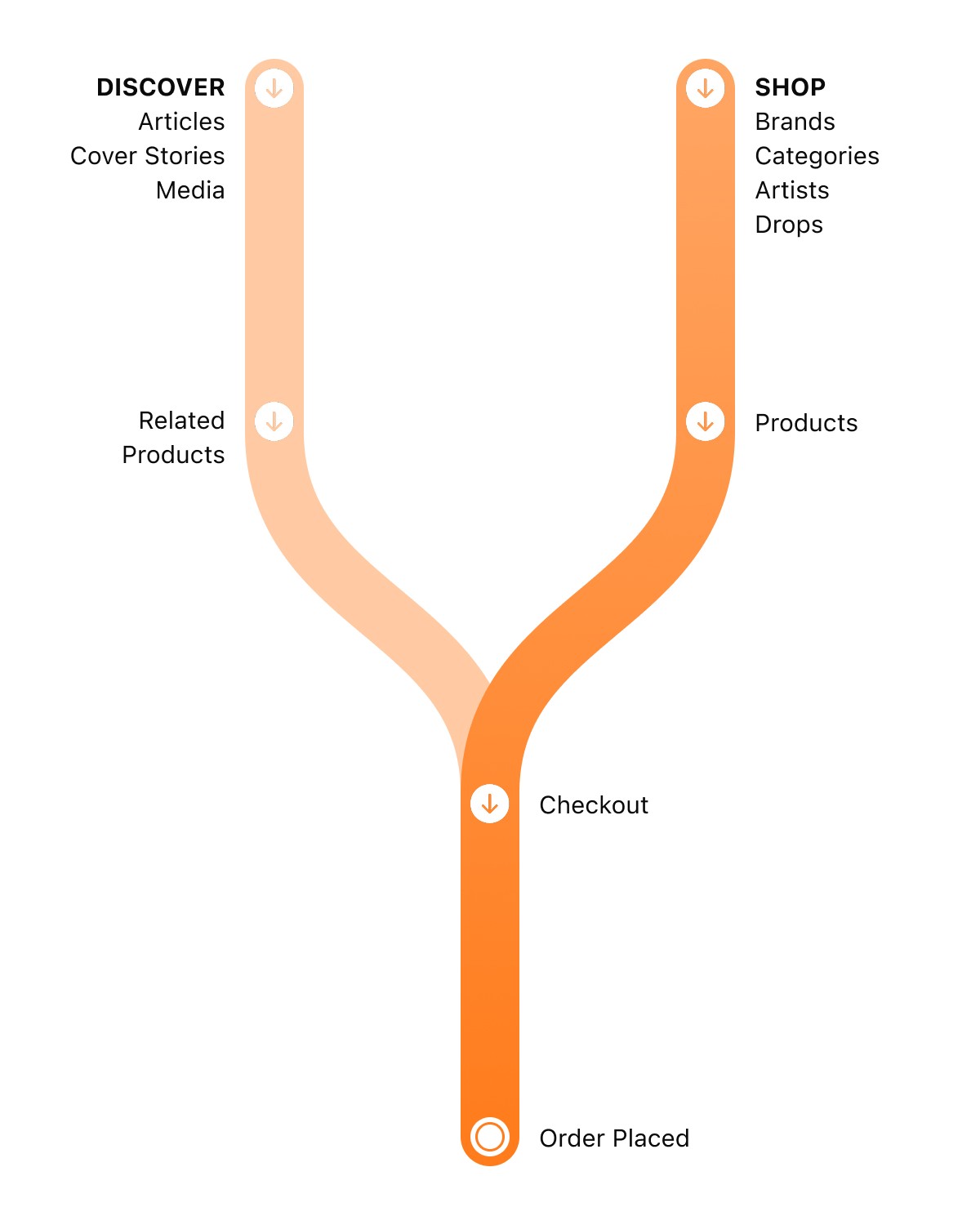
Due to requirements set during the acquisition negotiations, a strict deadline was set to completely rebuild Complex’s website and integrate shopping. In collaboration with the product team, the design approach began with defining user flows to guide design decisions and establish requirements for every page.
Outcome
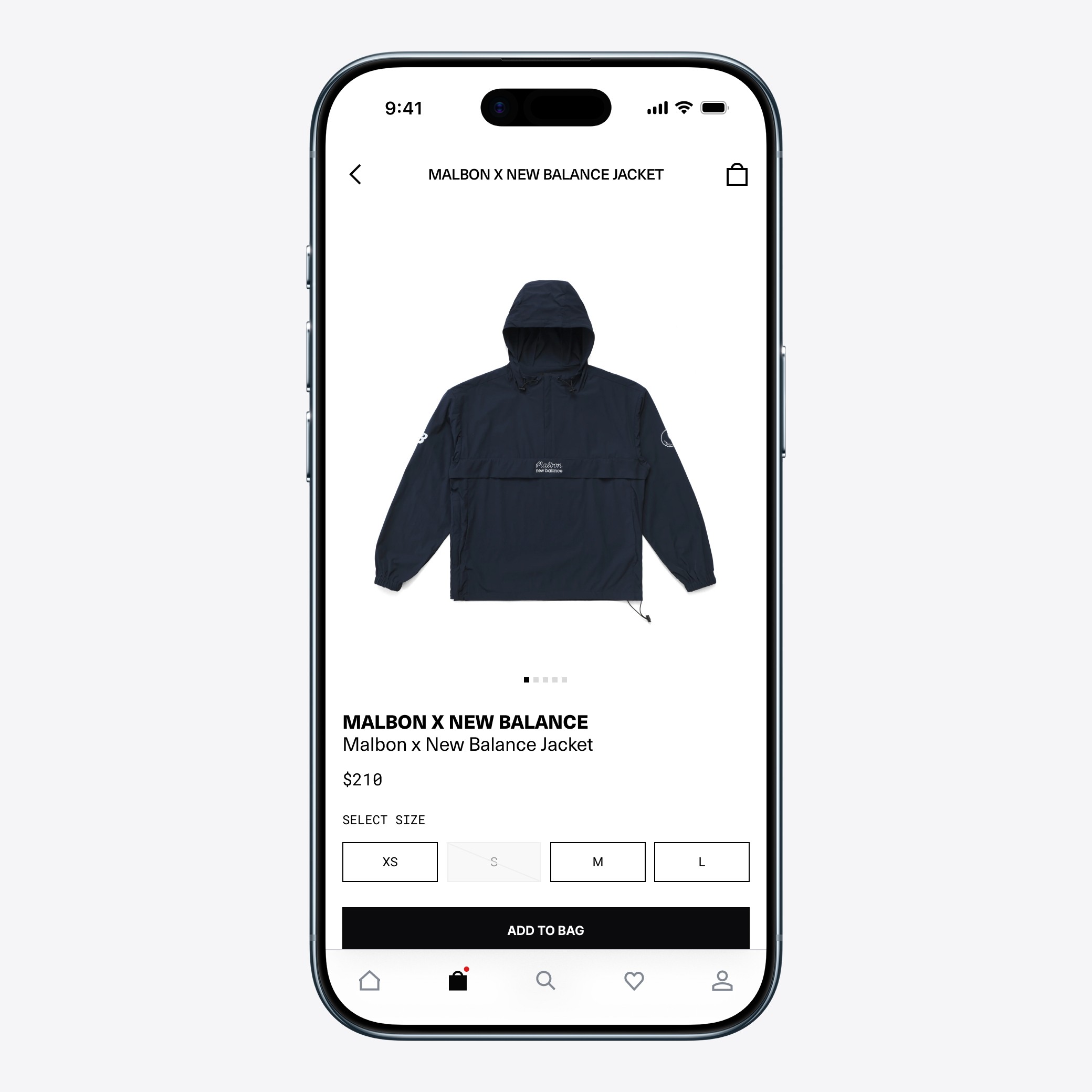
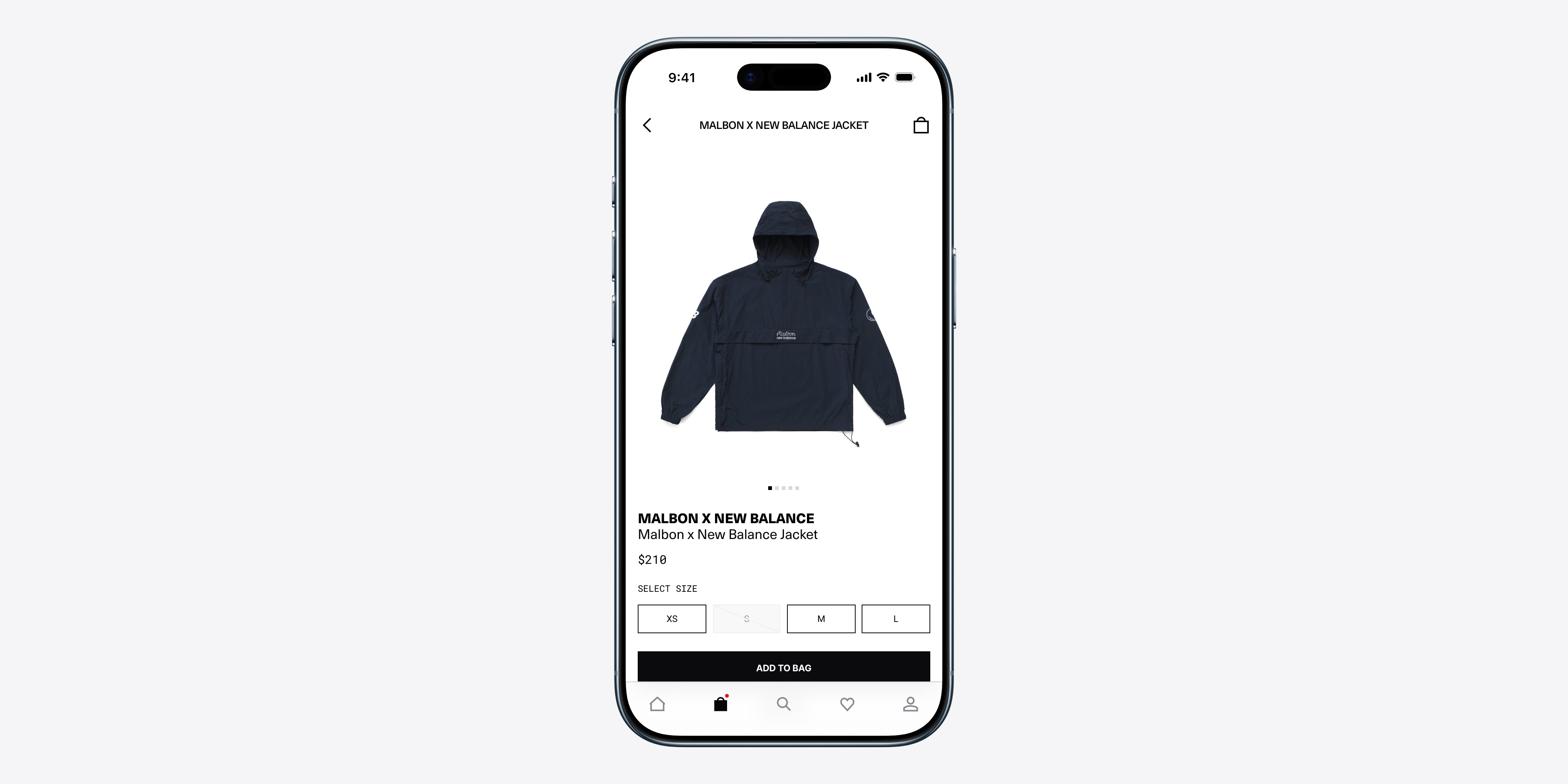
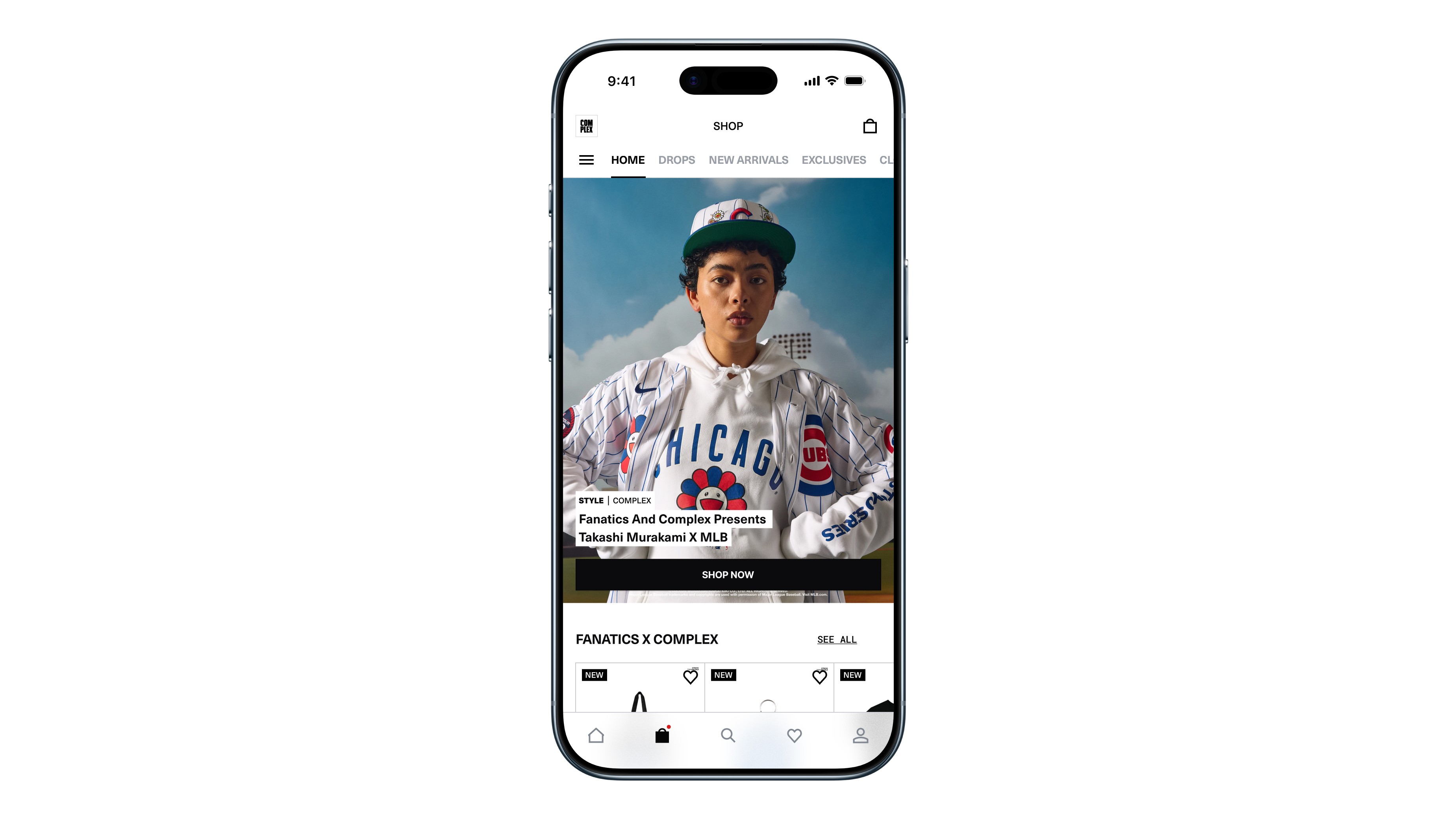
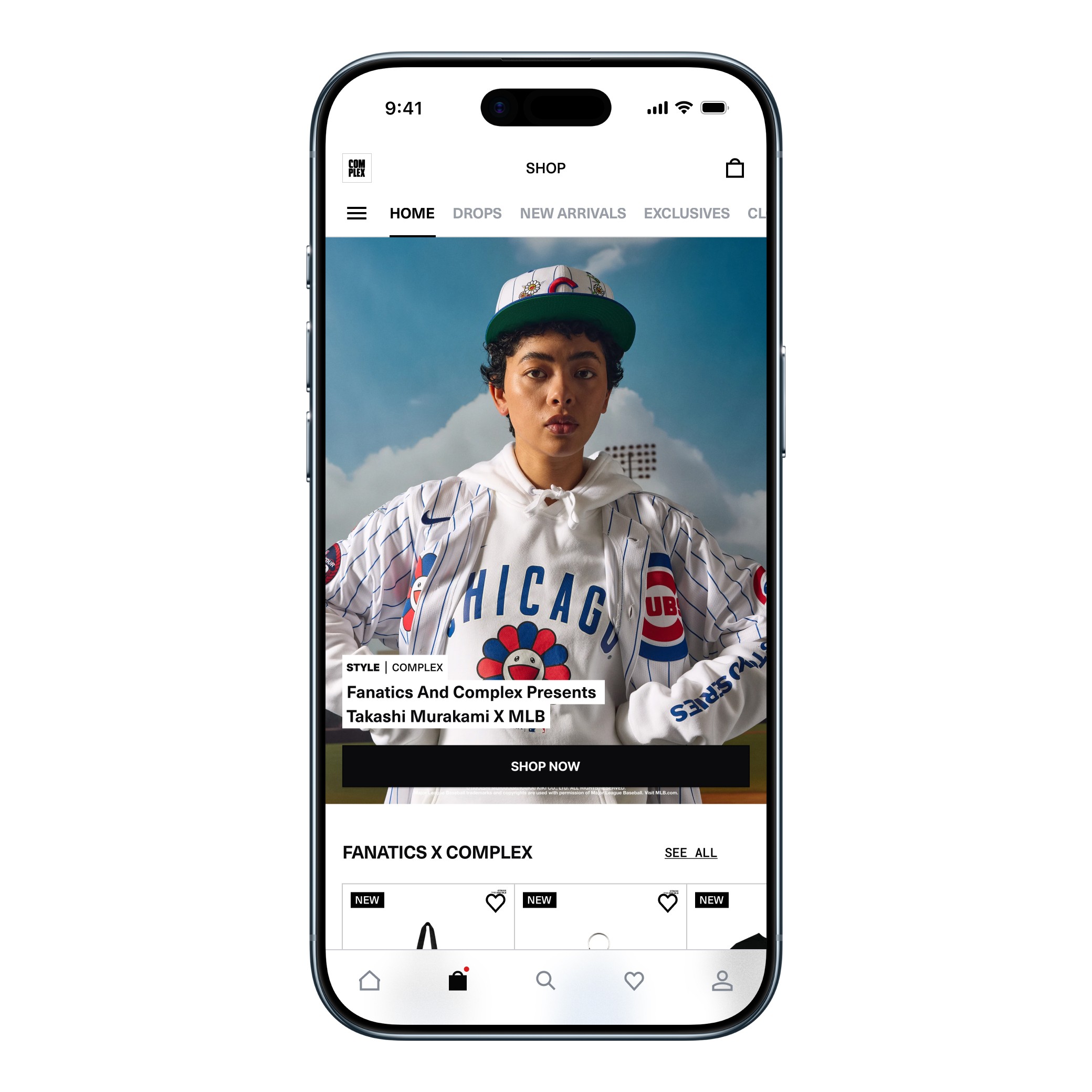
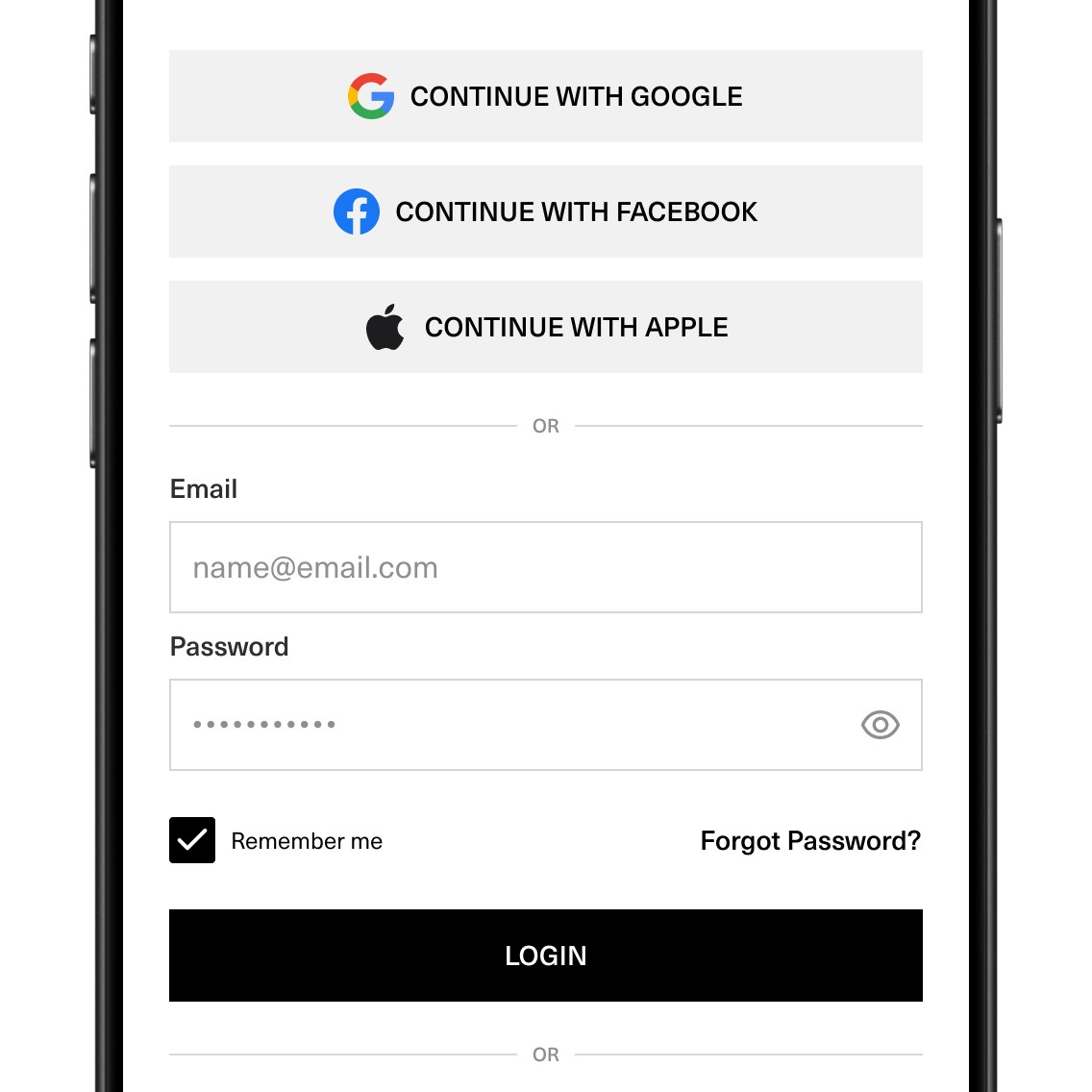
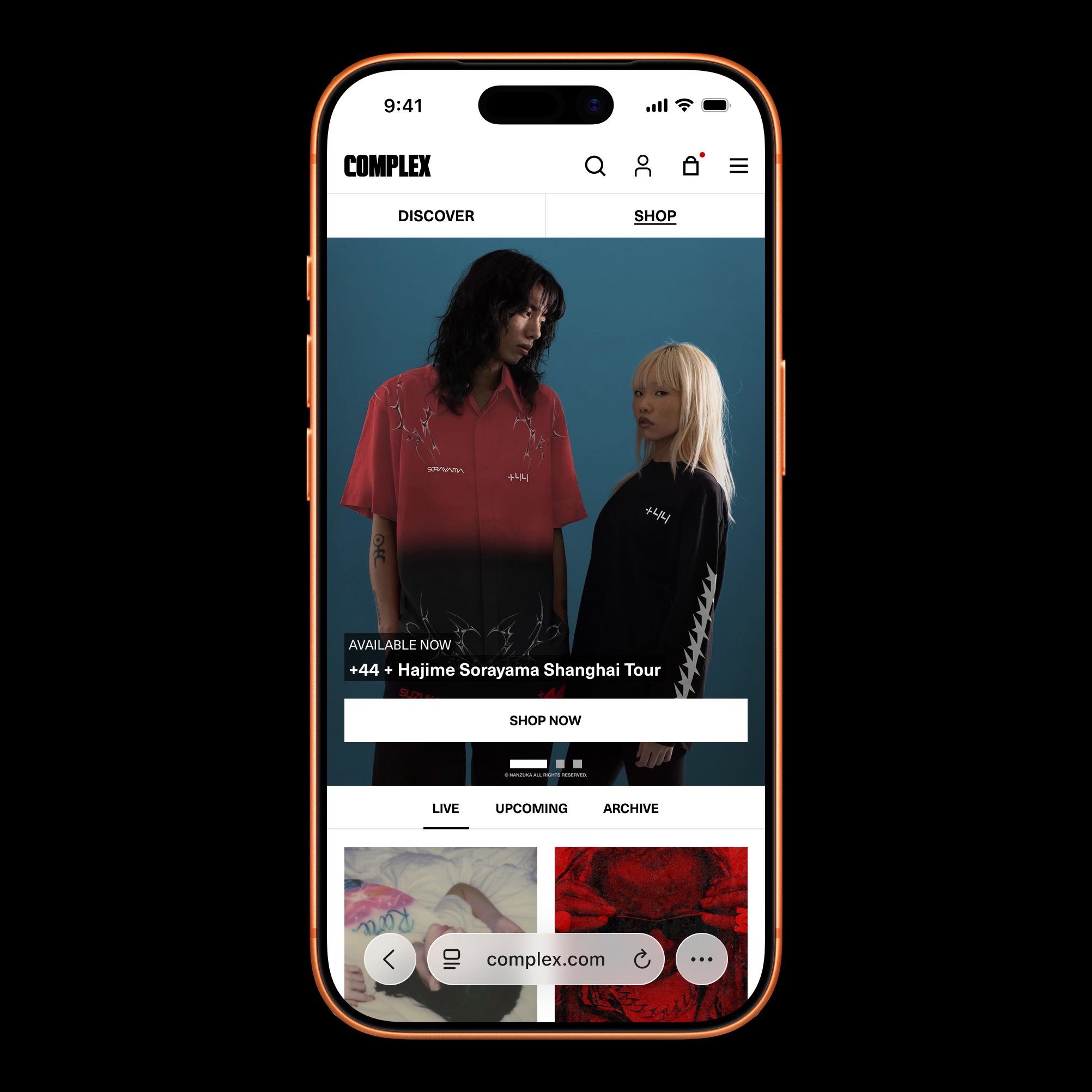
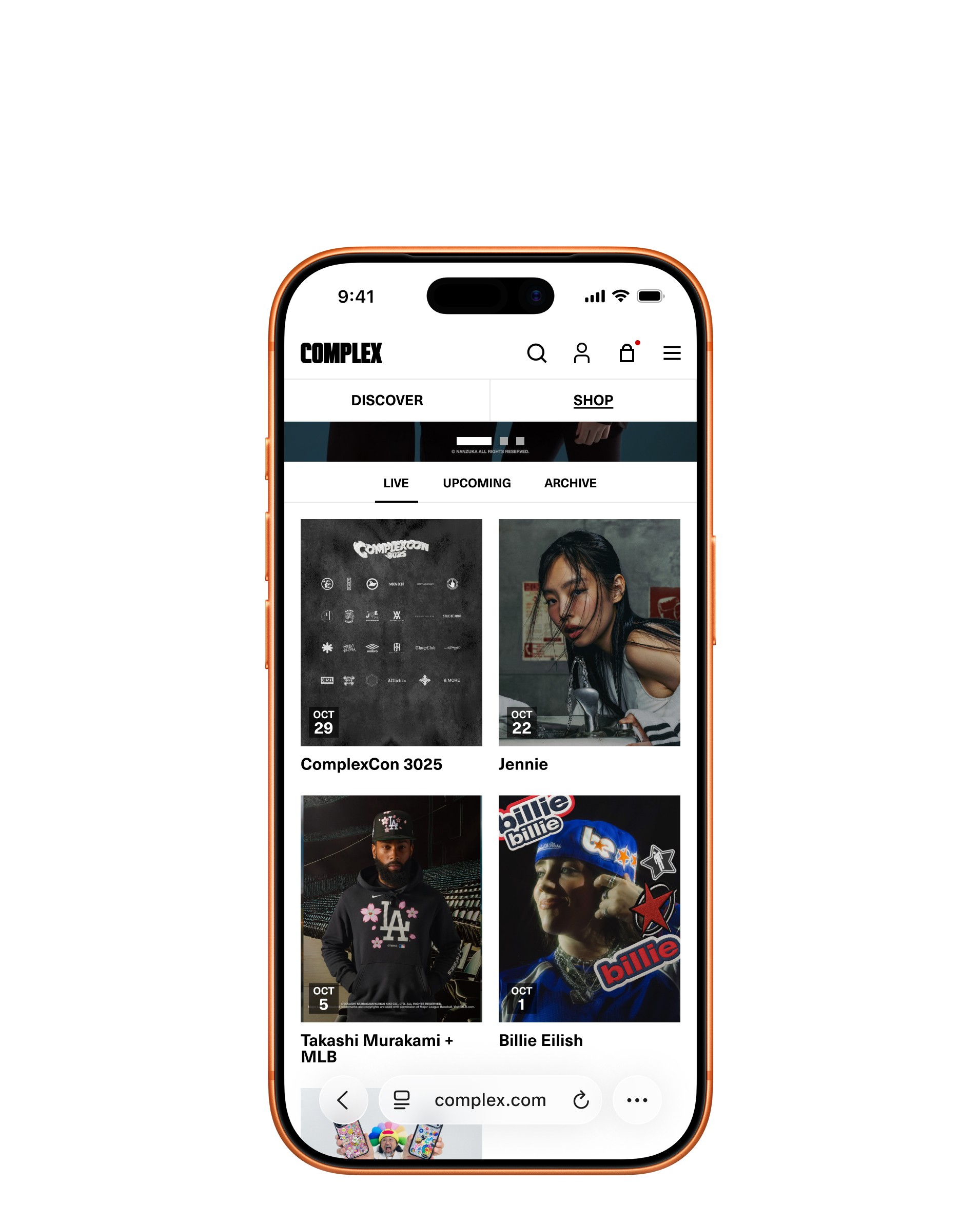
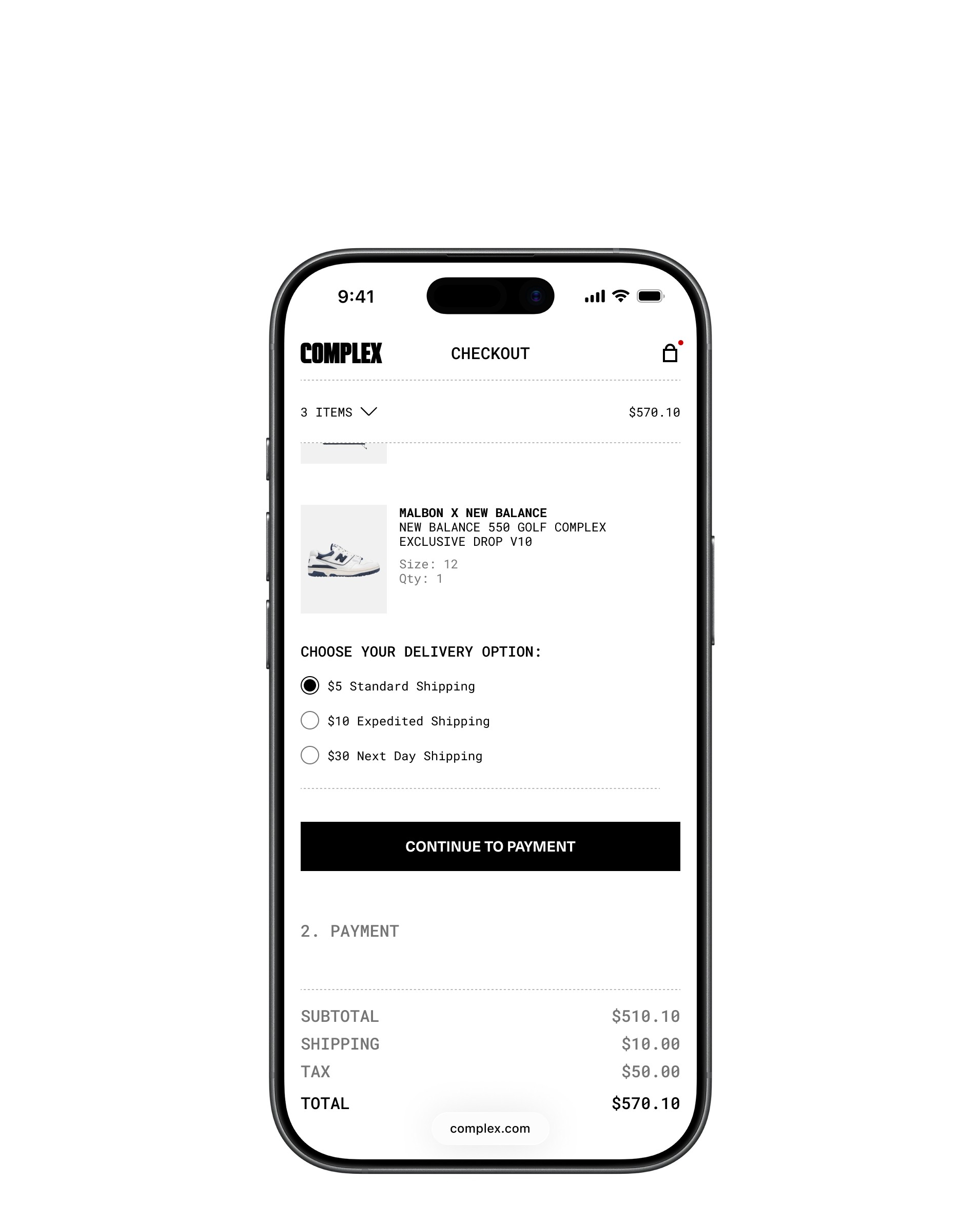
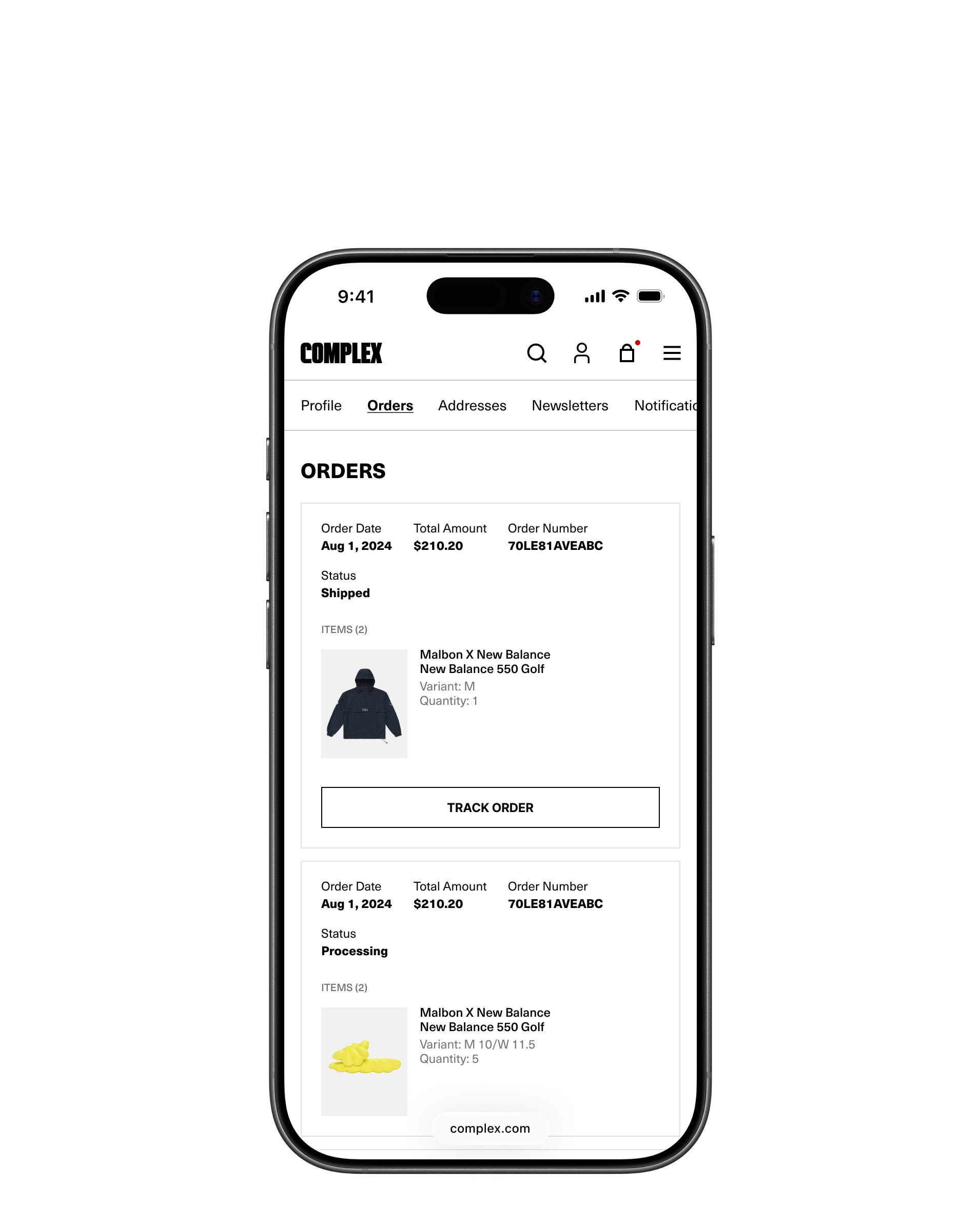
Across all verticals, NTWRK and Complex were successfully merged into a reimagined Complex launching Complex Shop and the Complex app, with commerce seamlessly integrated throughout the experience. This work established the foundation for positioning Complex as the central hub where users can both discover and shop in one place.
My Role
As the sole U.S.-based Product Designer, I led and partnered across the full design process from user research and ideation through stakeholder reviews, engineering handoff, and testing.
Team
Marcus Hammonds, Daniyal Ali, Owais Zaheer
/ˈkäm-pleks/
:
Shaping the future of shopping at the intersection of culture & tech.
Highlights

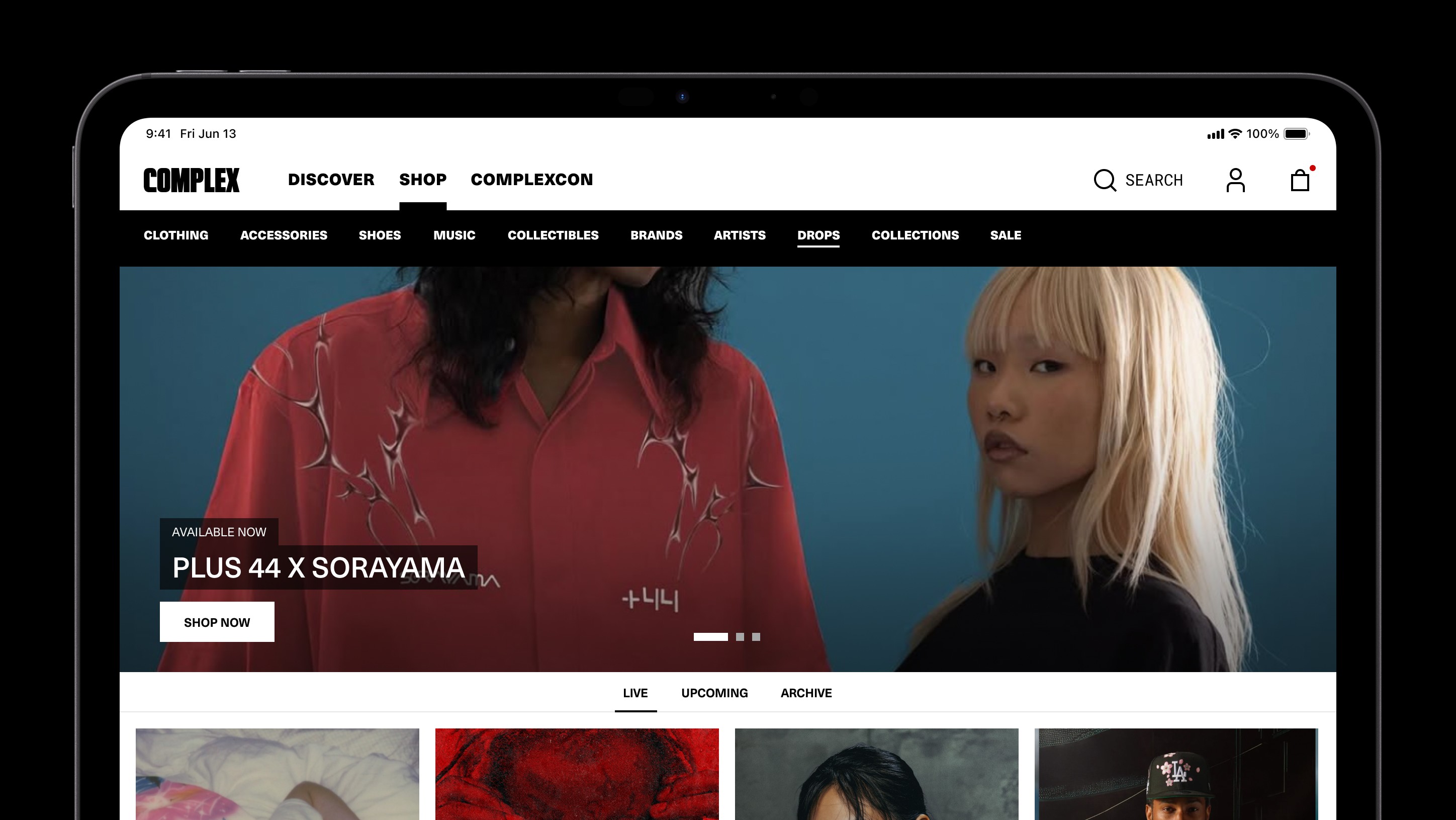
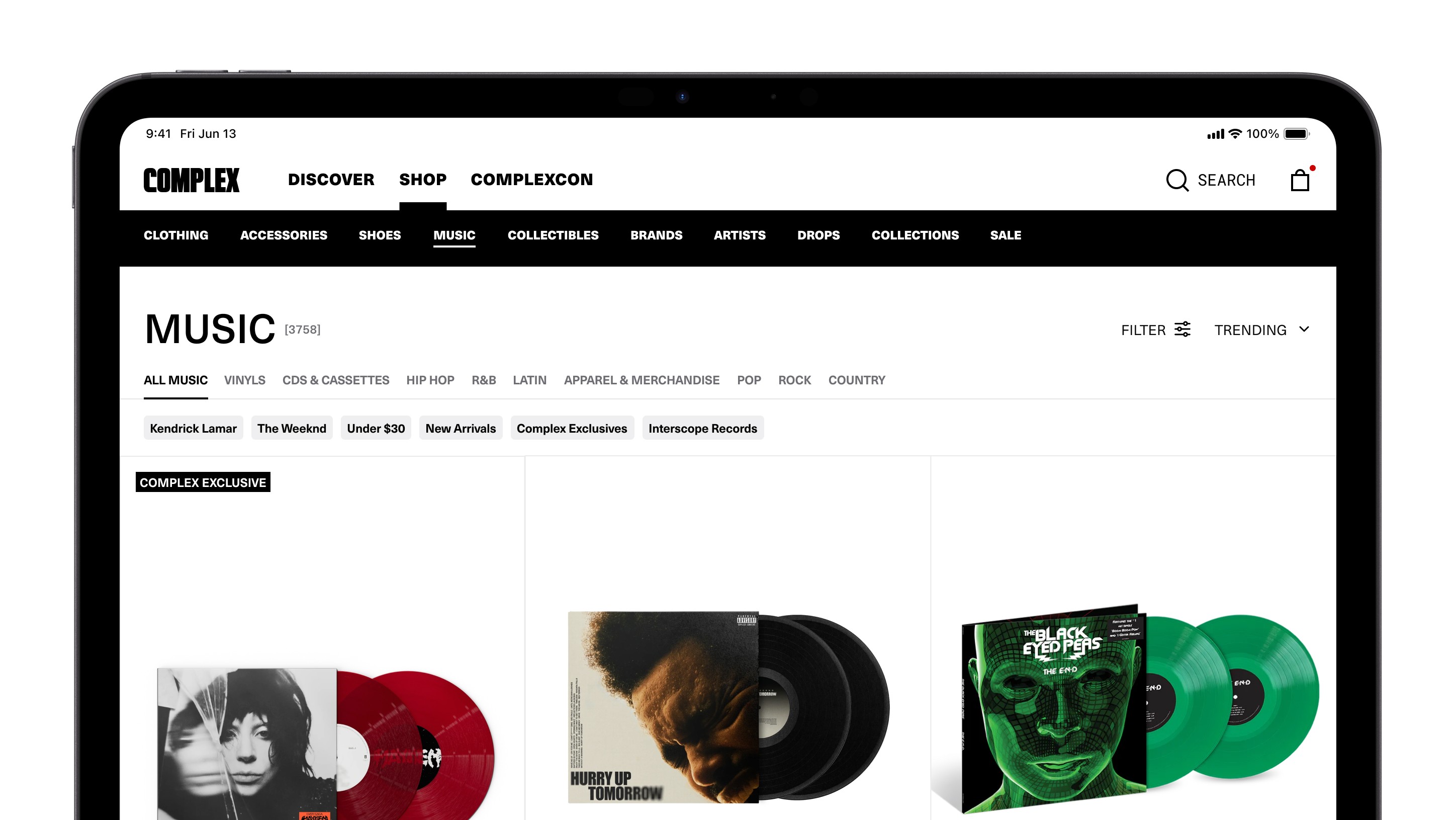
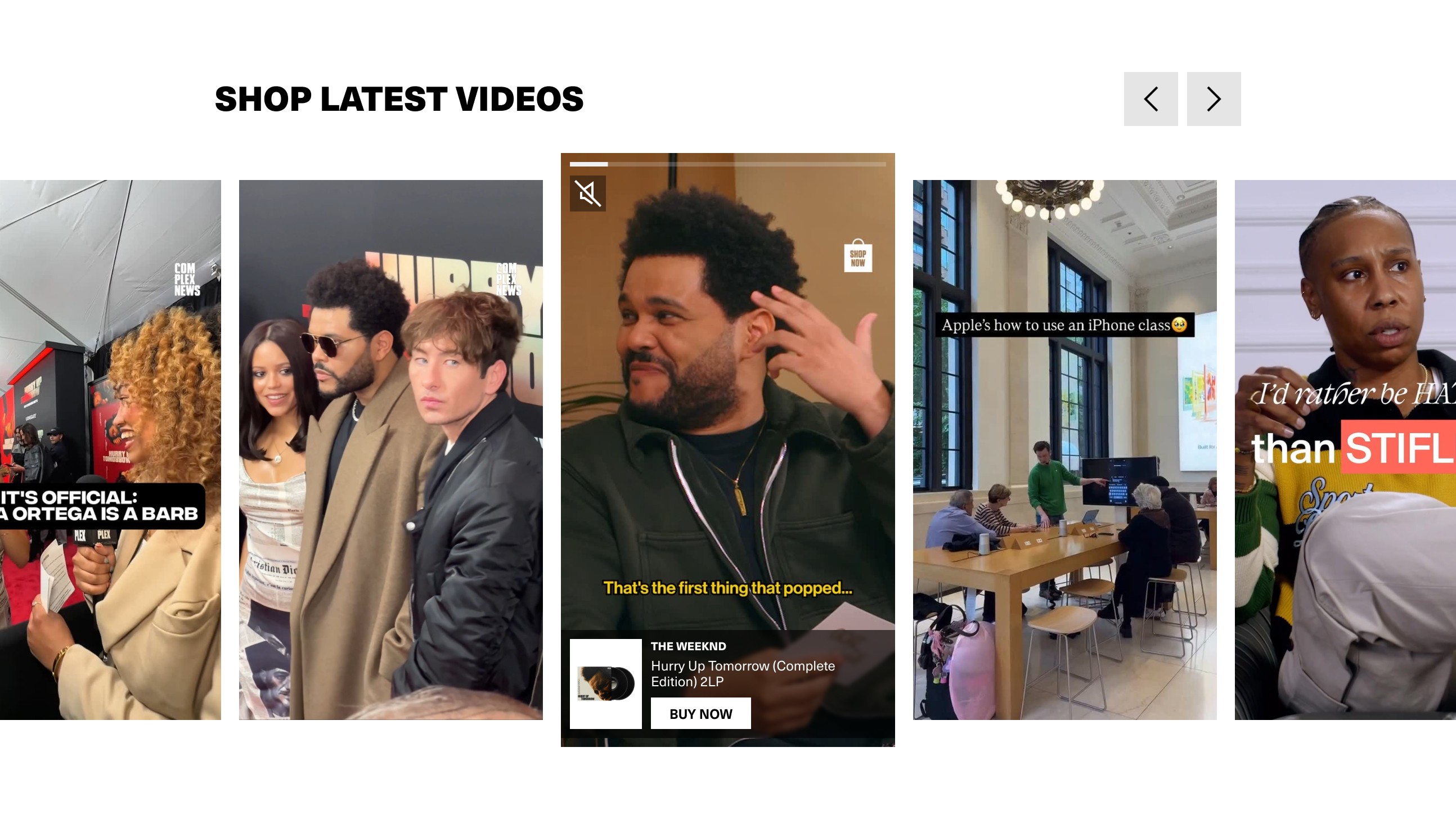
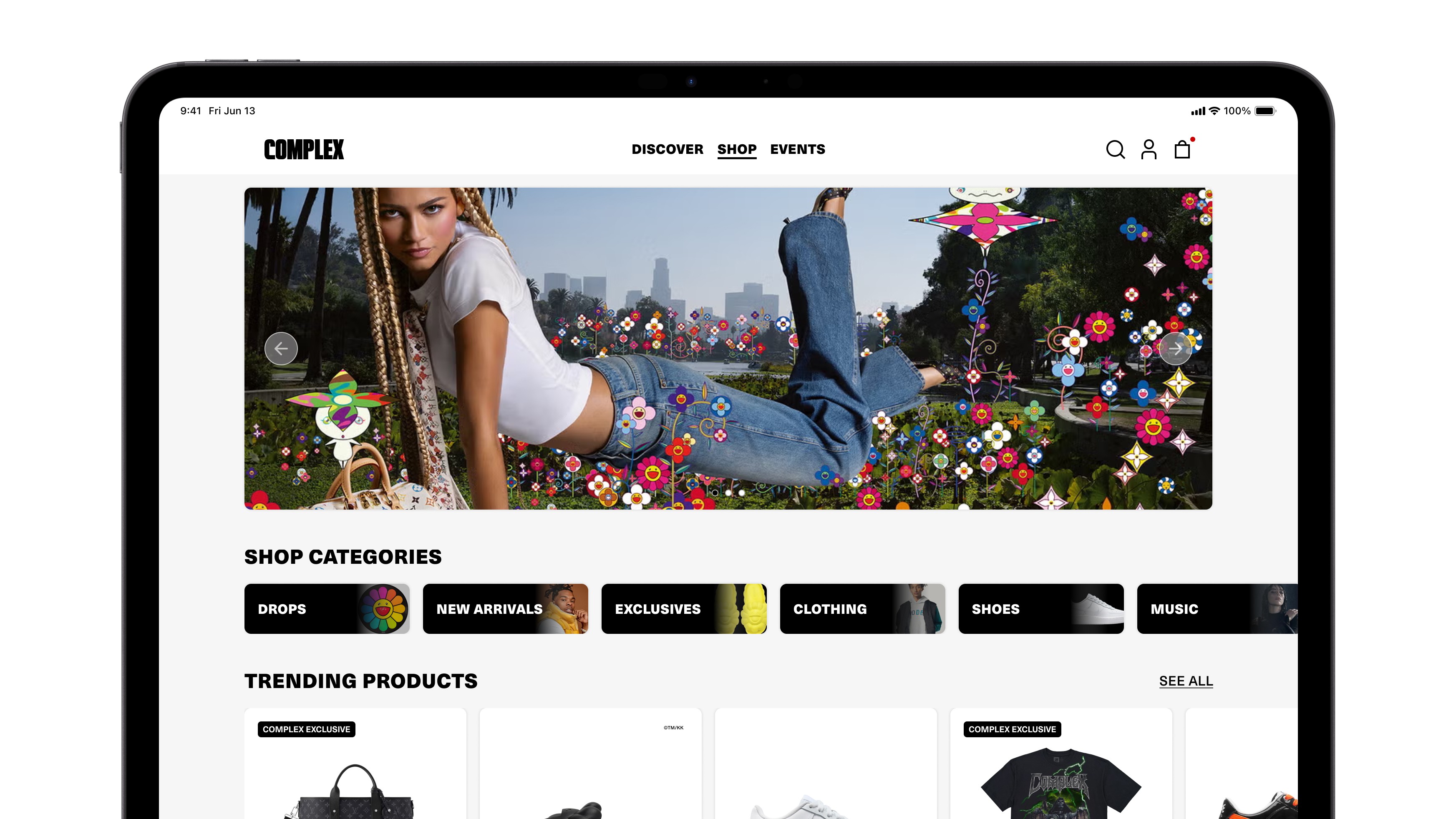
Merging Two Companies
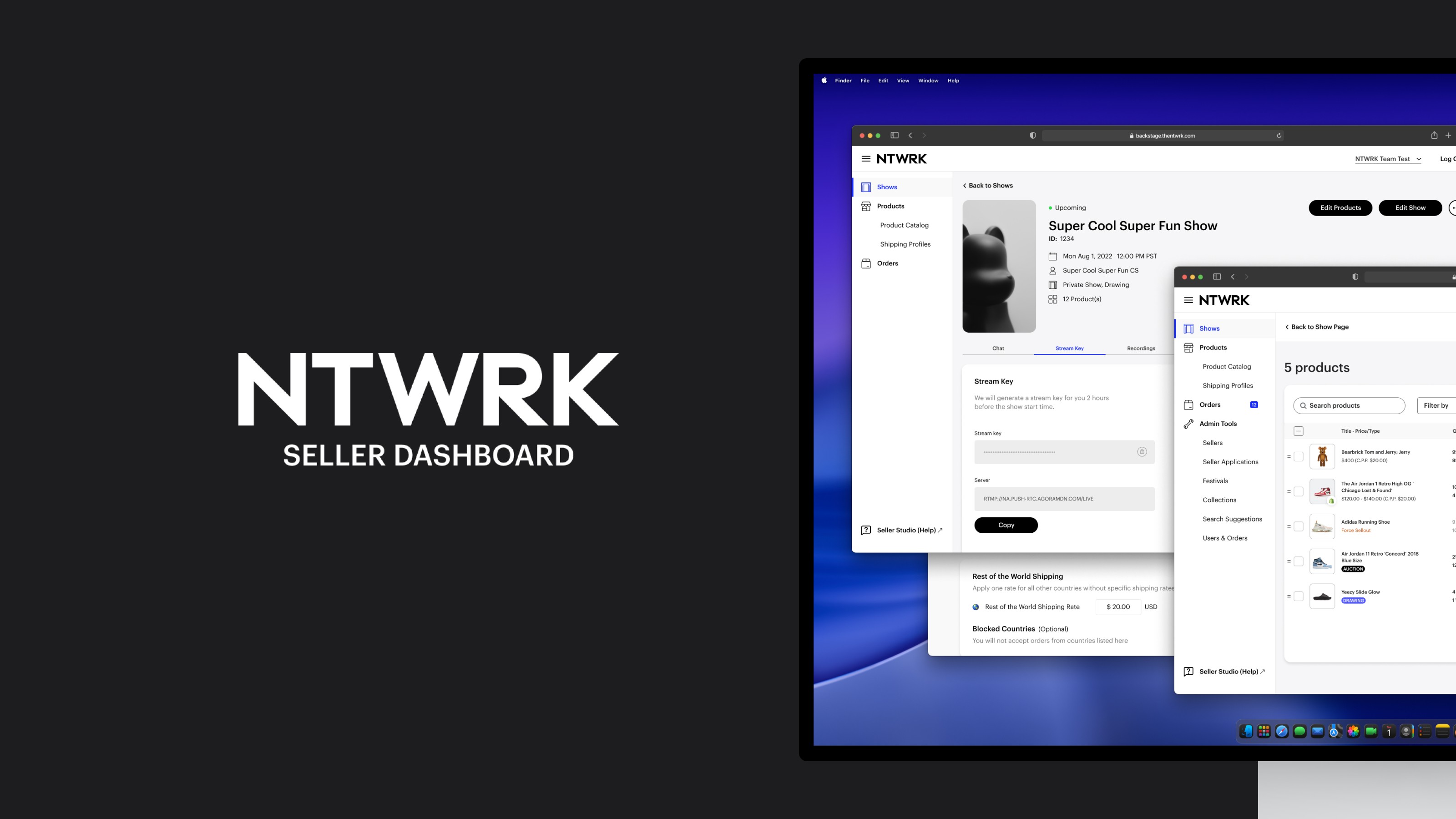
Once the acquisition was finalized, the team moved quickly to integrate Complex’s content-rich platform with NTWRK’s e-commerce model.
NTWRK
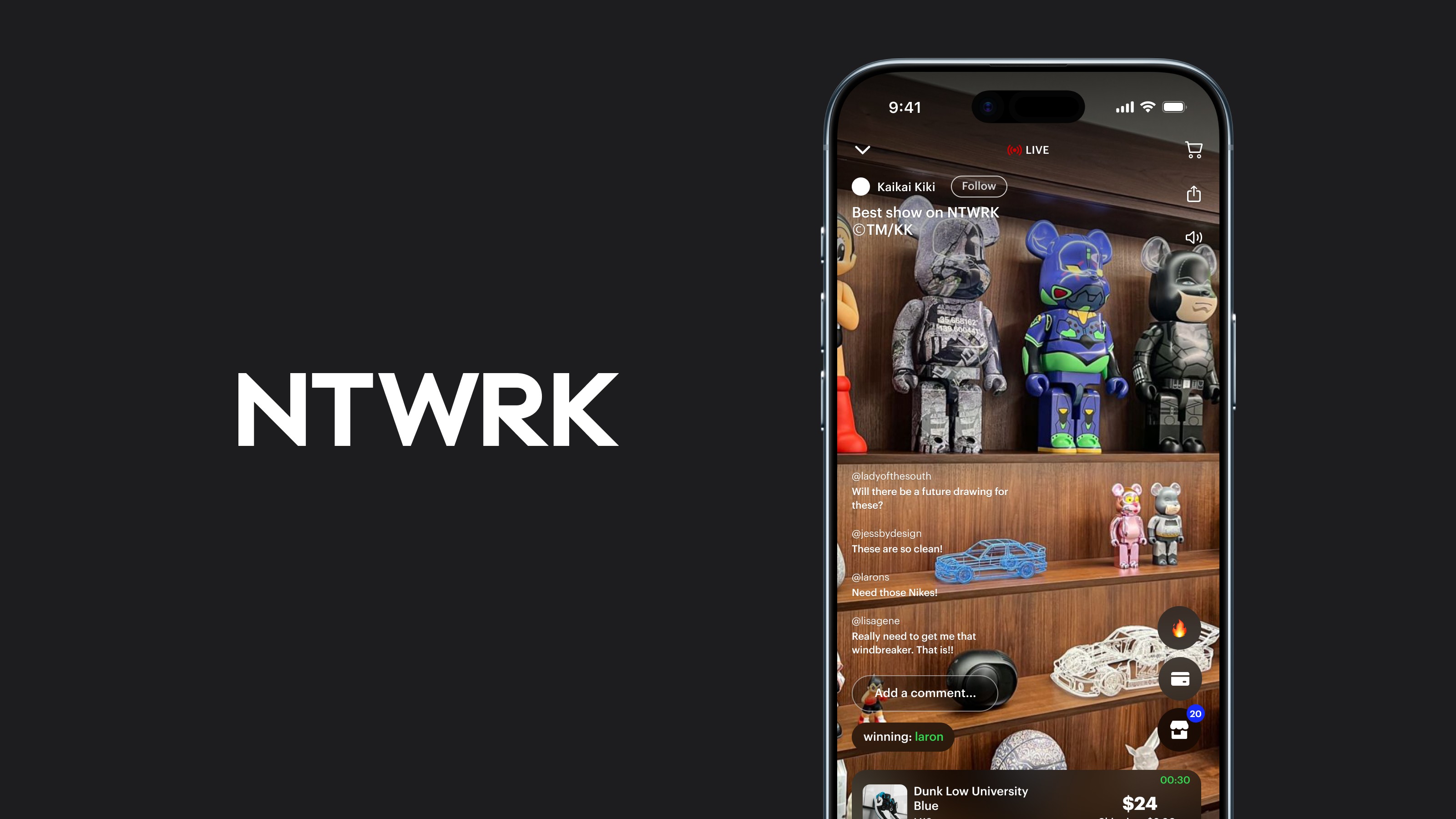
A live streaming shopping marketplace known for exclusive product drops.
Complex
An editorial, media, and events company focused on trends and pop culture.
Reimagined Complex
A culture, media, and commerce company offering rich content alongside products from notable brands and exclusive drops.
Research
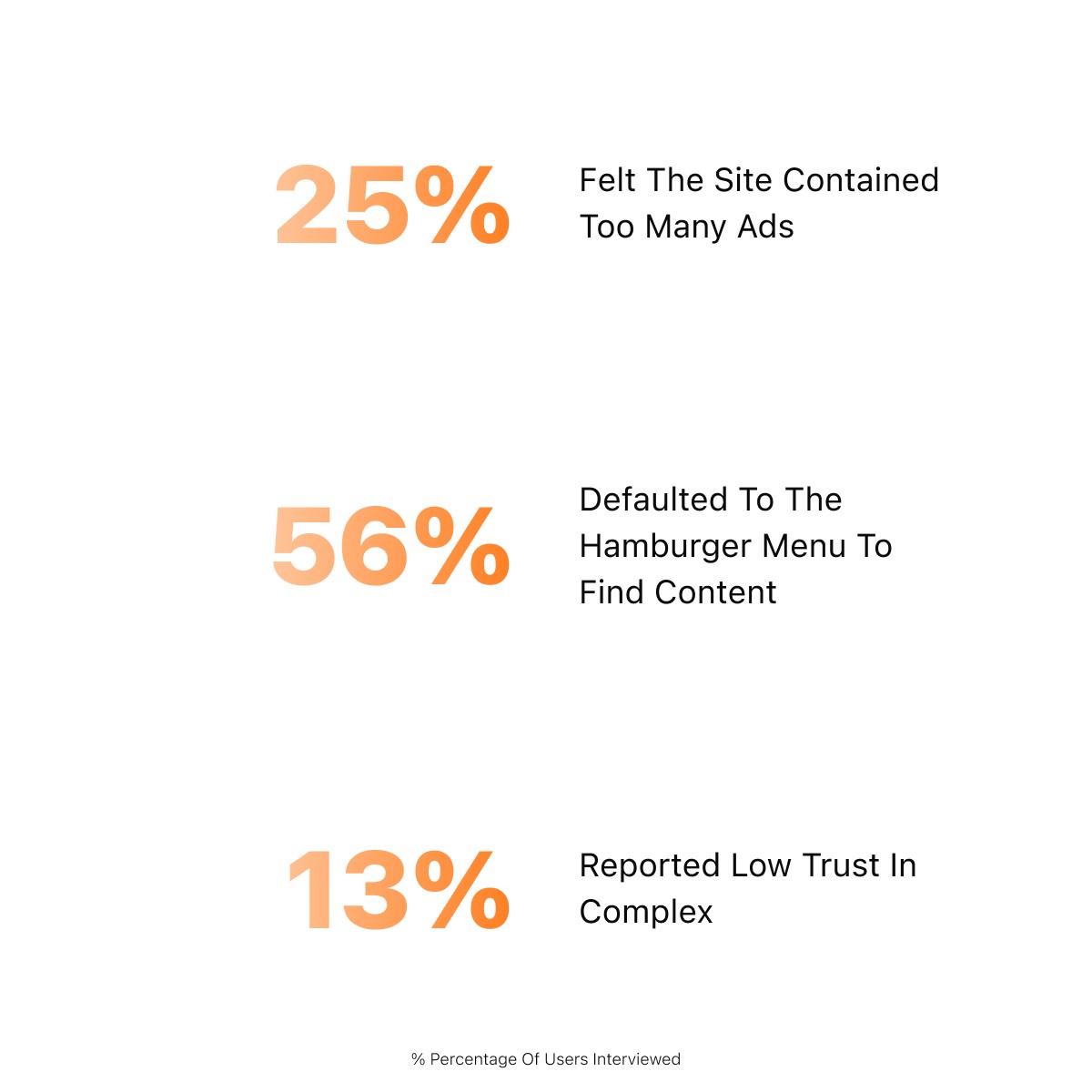
Before design kickoff, we conducted user interviews, usability testing, and research on the existing Complex experience to uncover user pain points and behaviors.
Ads & Trust
Heavy ad placement across the site contributed to a cluttered experience and lowered perceived trust.
Discovery
Site navigation was unclear, making it difficult for users to discover what Complex had to offer.
Opportunity
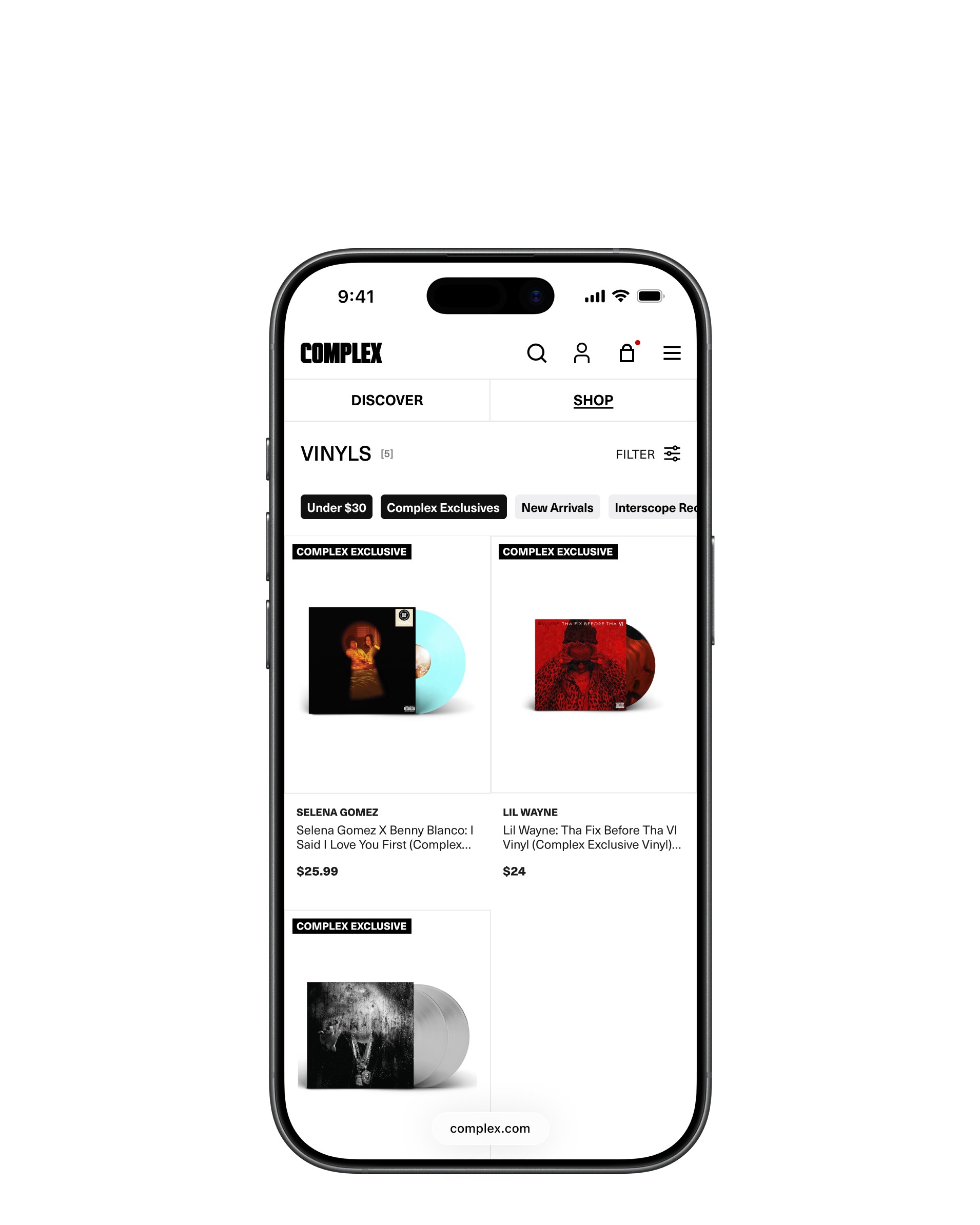
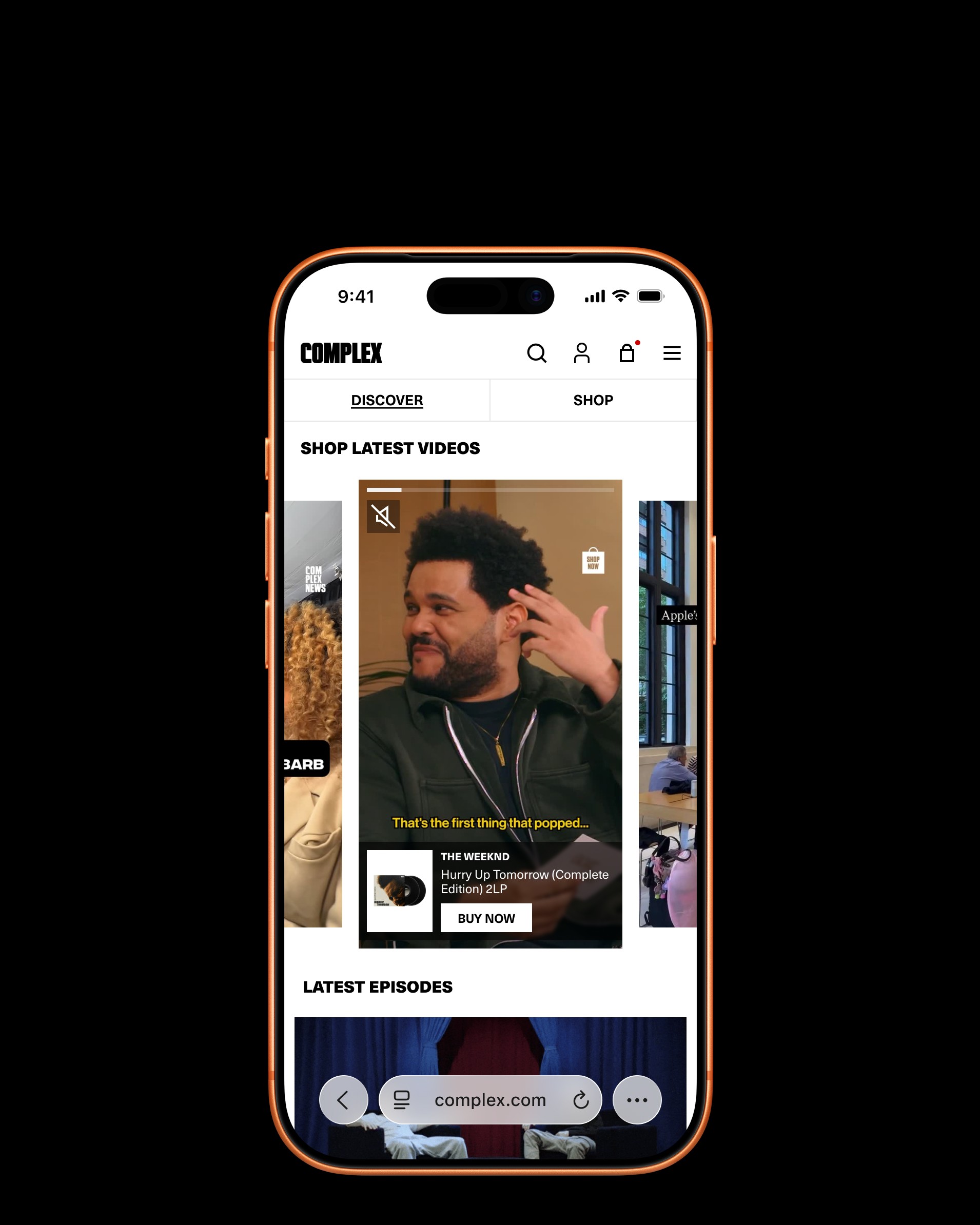
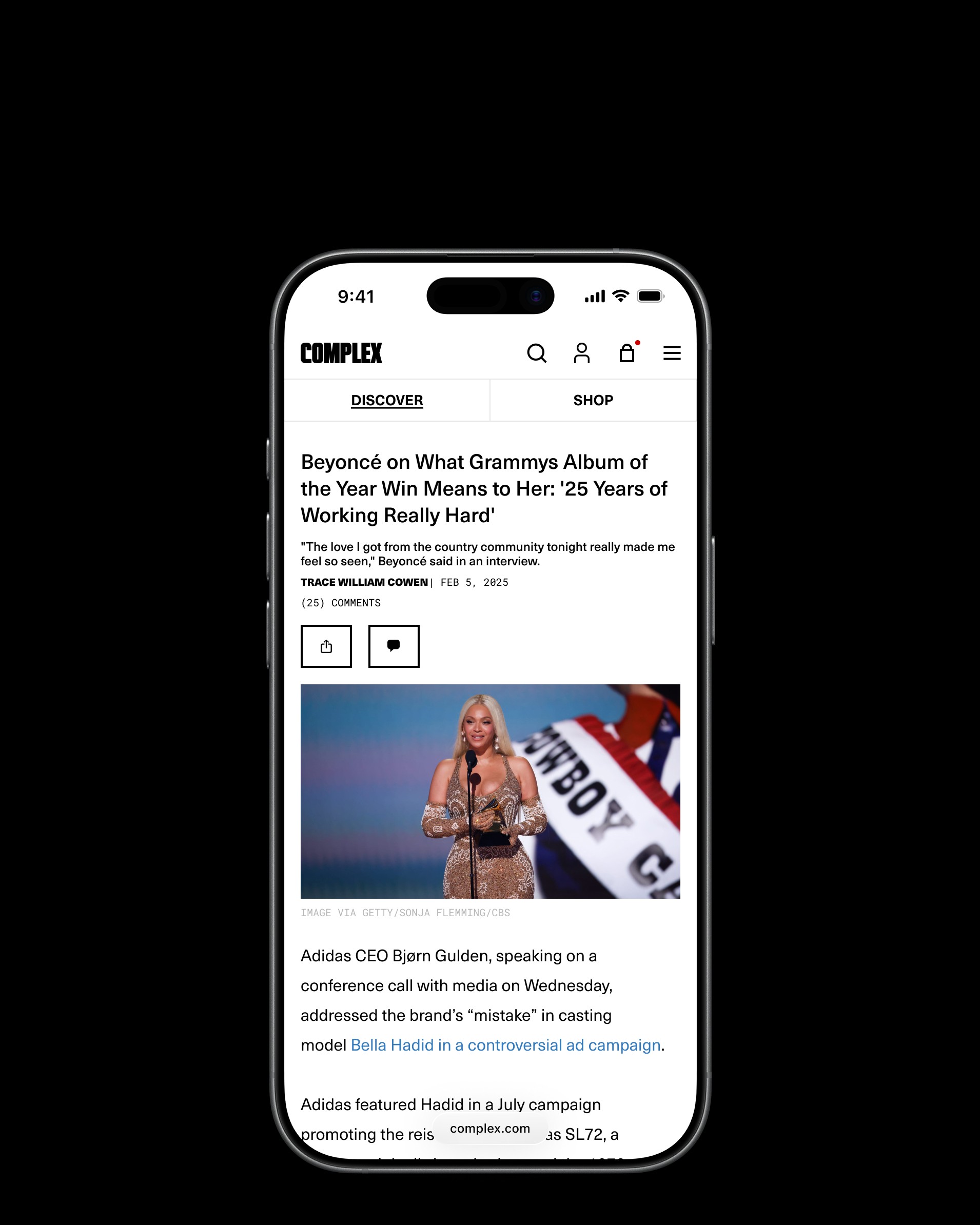
We determined the best path forward was to divide the site into two primary experiences: Discover and Shop. Discover focused on editorial and media content, including ads, with the goal of driving users toward commerce. Shop consolidated drops, brands, artists, and category-based e-commerce into a streamlined purchasing experience.
Ideation
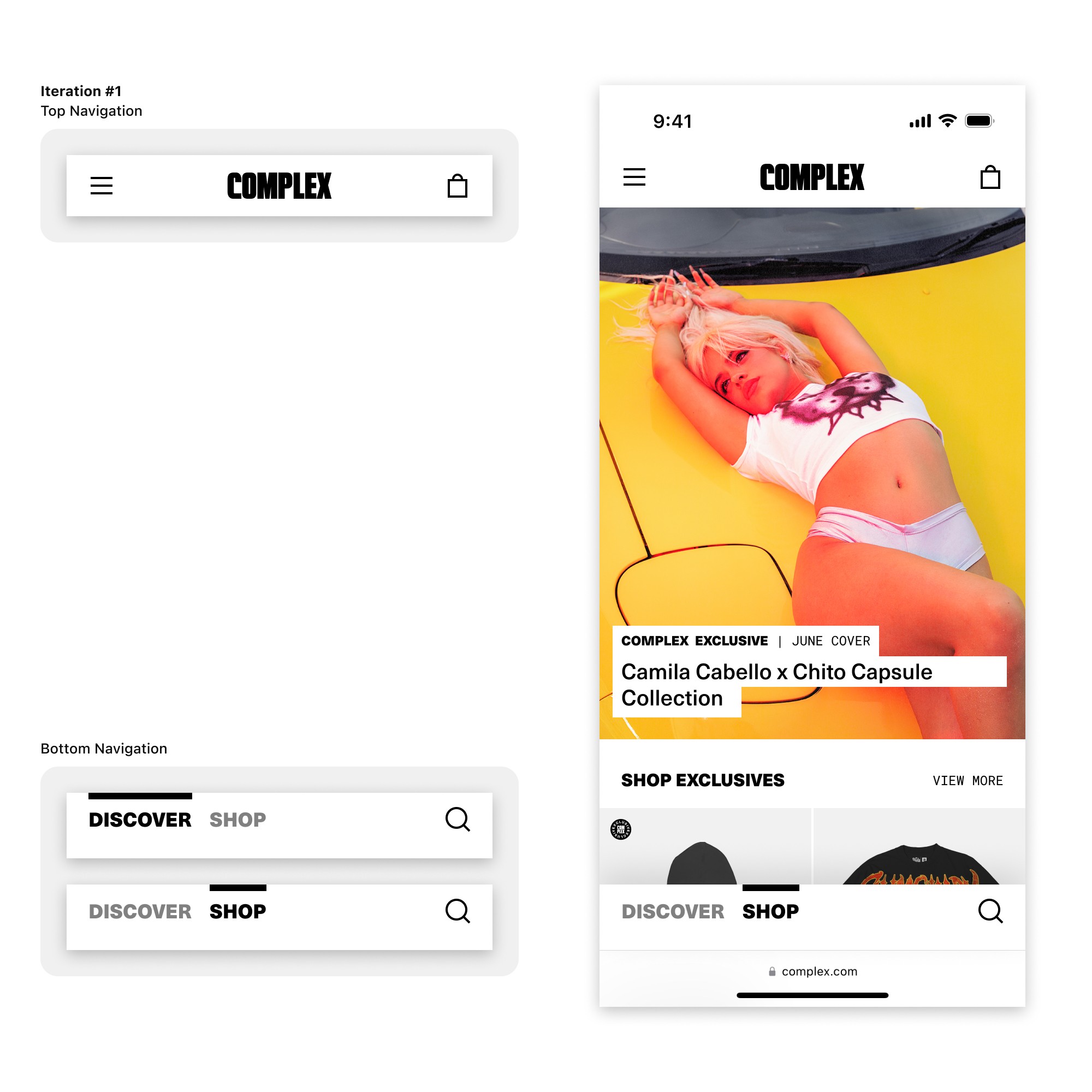
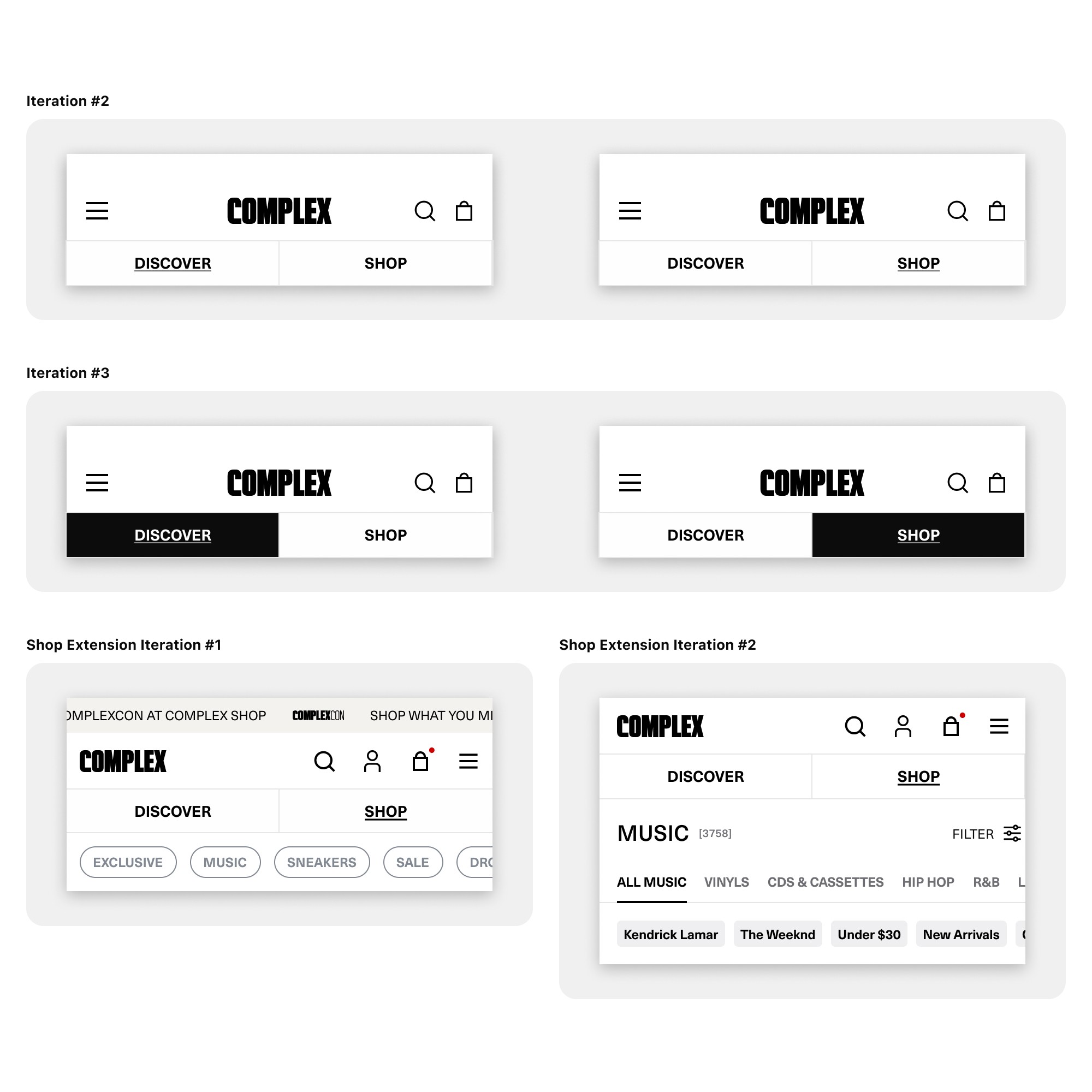
With products and e-commerce modules living across Discover and Shop, navigation became one of the primary challenges to solve. Given that 80% of traffic came from mobile devices, we focused on prototyping and testing multiple navigation variations optimized for mobile.
Complex Reimagined
Reflection
This project will always be a defining point of my career in pushing me to think beyond the design and experience, but also the direction of e-commerce on Complex. Being the solo U.S.-based product designer on a small design team for an acquisition company merger placed a large responsibility on my shoulders to be more than a designer. I owned the design process end-to-end across research, ideation, stakeholder alignment, and engineering handoff. Much of my role on this project involved translating business objectives and requirements into scalable experiences. In collaboration with product, engineering, and leadership, our alignment resulted in building an experience at Complex that seamlessly integrated commerce into entertainment.
Unlike my previous projects, this project rapidly pivoted to meet the business goals of the time, resulting in a lot of ambiguity in the product strategy. By conducting user interviews and research myself, I truly understood our users, which in turn allowed me to adapt the design process quickly no matter the changes in strategy and/or requirements. Due to time zone limitations, my role expanded to support all design handoffs to ensure a point of contact with engineering at all times. This helped reduce friction during development and ensured the final product closely matched the design’s intended experience.
Ultimately, this project strengthened my ability to lead design within a high-stakes environment without compromising on the user experience. It reinforced the first lesson my design mentor taught me: “design is 20% of the job.”
Results

95,701 Complex accounts created.
20% - 30% increase in user retention compared to the Complex website.
See More

Thanks for checking out my portfolio. Have any ideas, feedback, or questions? Get in touch.

© Marcus Hammonds